
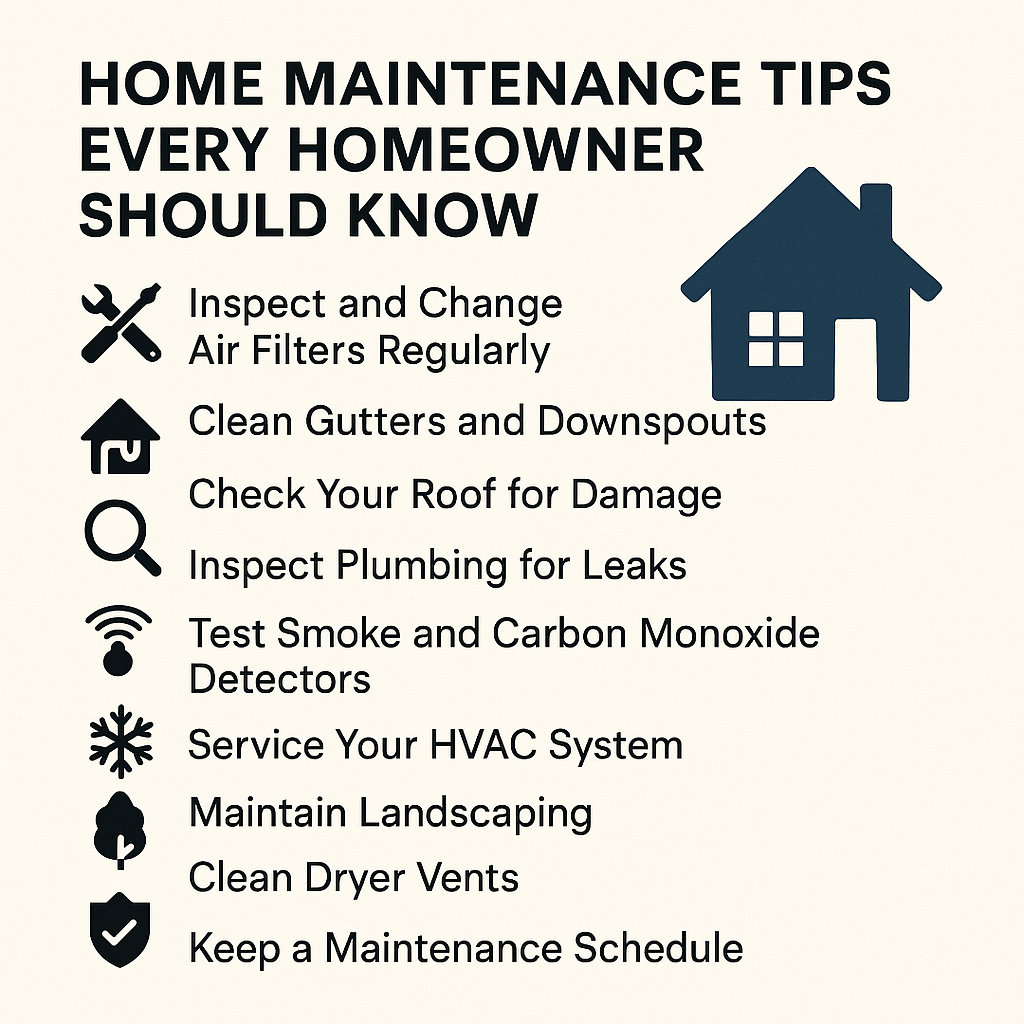
Seasonal home maintenance works best as a repeatable routine. Start with water, safety and the systems that keep the home comfortable, then fit cosmetic projects around them. For Missouri homeowners, this means checking the house before heating and cooling seasons and looking again after severe weather. A calendar helps, but a leak or electrical concern should never wait for its scheduled month.
Start seasonal home maintenance with a home-specific baseline
Walk through the property with your inspection report, equipment manuals and recent repair invoices. List the roof, heating and cooling equipment, water heater, drainage features and any sump pump, well or septic system. Record model numbers and service contacts. A checklist for a newer subdivision home will differ from one for an older house on acreage.
Divide the work into tasks you can safely do, routine professional service and issues that need diagnosis. Avoid climbing onto a roof or opening electrical equipment to complete a checklist. Observations from the ground and clear photographs can help the appropriate contractor decide what to inspect.
Spring: check where water goes
- Look for roof damage from the ground and arrange a professional inspection when something has changed.
- Have gutters and downspouts cleared safely; confirm runoff moves away from the foundation.
- Check basement and crawlspace areas for new dampness, staining or odors.
- Inspect exterior sealant, siding and visible wood for openings or deterioration.
- Arrange cooling-system service and check filters using the equipment instructions.
Trace the source of a water problem before covering a stain or repainting. Keep dated photos so you can tell whether a crack, wet area or drainage issue is changing. Persistent moisture deserves professional evaluation.
Summer: manage cooling and exterior wear
Keep vegetation and stored items clear of outdoor equipment according to the manufacturer’s clearance requirements. Check accessible filters and notice changes in cooling performance, condensation or utility use. An energy improvement should address a documented problem, not simply a product advertised as a quick fix.
The Department of Energy home energy checklist provides a starting point for maintenance and efficiency. Review deck, porch and railing condition, and arrange repairs before loose or damaged components become a daily-use hazard.
Fall: prepare before freezing weather
- Schedule heating-system service and follow instructions for fireplaces or other fuel-burning equipment.
- Disconnect outdoor hoses and have vulnerable plumbing winterized appropriately.
- Clear leaves from drainage areas and check accessible weatherstripping.
- Locate and label the main water shutoff so household members can find it.
- Check attic or crawlspace concerns with a qualified professional rather than adding insulation over an unresolved moisture problem.
Make a plan for an extended power outage or a period away from home. Ask your insurer and service professionals about property-specific precautions; the right steps depend on the house and equipment.
Winter and year-round safety checks
Watch for indoor leaks, condensation and changes in heating performance. Keep exterior vents clear as required for safe operation. Never use a grill or outdoor generator inside a home or garage.
The U.S. Fire Administration recommends monthly smoke-alarm testing and replacement of smoke alarms at ten years. Follow the manufacturer’s instructions for carbon monoxide alarms, batteries and any connected system; their requirements are not interchangeable.
Keep dryer lint screens clean and arrange vent cleaning when needed. Have recurring breaker trips, unusual burning smells or plumbing leaks evaluated promptly instead of treating them as ordinary maintenance.
Make the seasonal home maintenance record useful
Use one folder for completed work, warranties, photos and upcoming service. For each item, record what you observed, who evaluated it, the recommended action and the next review date. Keep repair receipts with that entry.
When you eventually sell, organized records can help answer buyer questions. They do not replace required disclosures or a buyer’s inspection. If you are deciding which projects to tackle first, begin with condition and function before cosmetic appeal.
Frequently asked questions
Does every home need the same schedule?
No. Equipment instructions, property condition, trees, drainage and occupancy all affect the schedule. Start with this framework and adapt it to your home.
Should I complete every repair myself?
Only take on work that is safe and within your ability. Roof, electrical, structural and fuel-burning-system concerns often require qualified professionals.
Related guidance
- Which Home Improvements Should You Prioritize?
- Homeowners Insurance: Coverage, Deductibles and Renewal Questions
- Radon Testing: What Missouri Homeowners Should Know
Have a question about a property or your next step? Contact Austin Moore Group or explore the Knowledge Hub.