
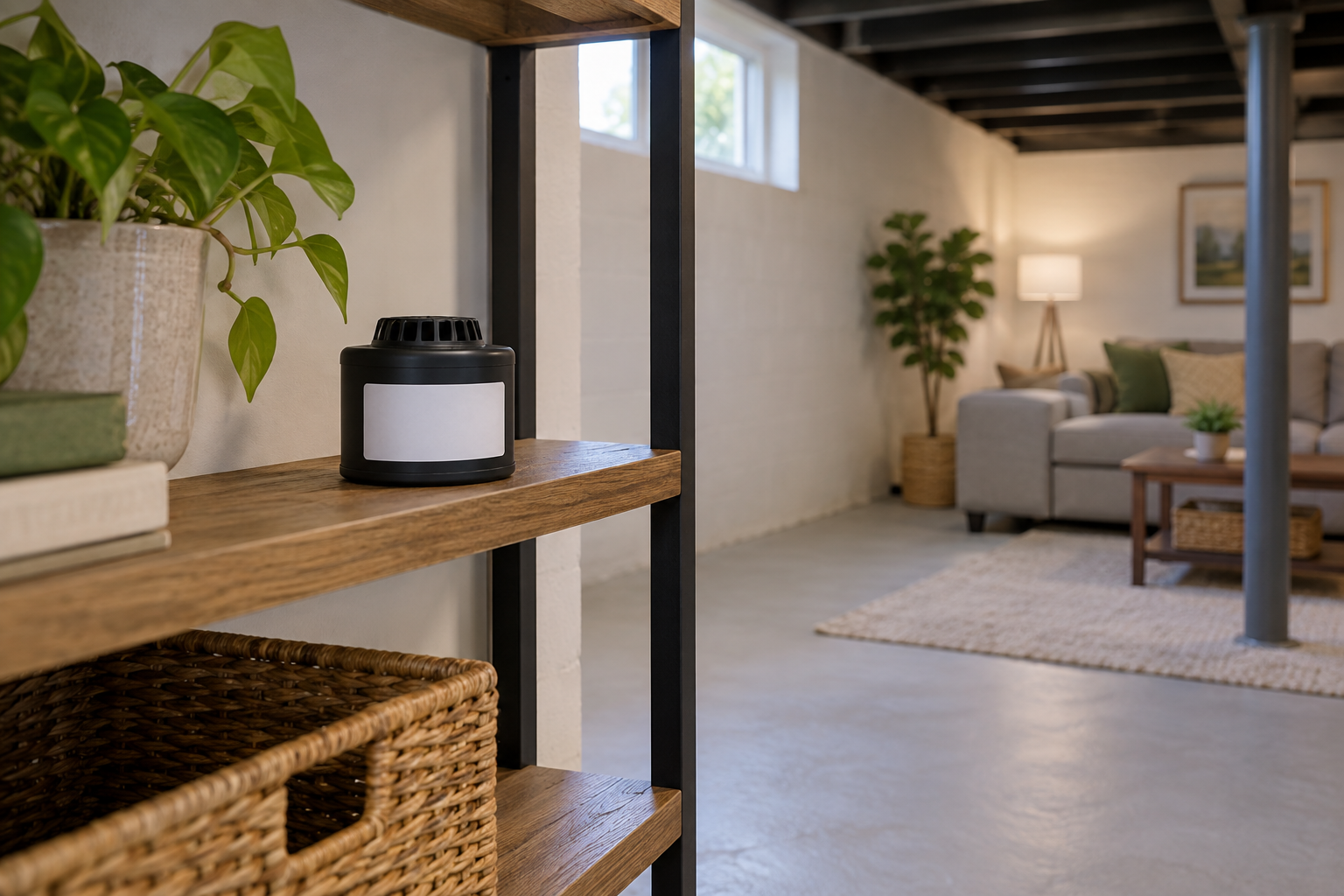
Radon testing gives you information that a showing, neighborhood reputation or ordinary visual inspection cannot provide. Radon is a radioactive gas that can enter buildings from the ground. Because you cannot reliably detect it by sight or smell, the appropriate next step is a properly conducted test, followed by action based on the result and current EPA guidance.
Radon testing starts with the individual home
A nearby house’s result does not establish the level in the home you are considering. Nor does a county map determine whether an individual property needs attention. The EPA’s radon map guidance says homes should be tested regardless of geographic zone.
Ask whether a prior test exists and obtain the actual report. Look at the date, location, duration, method and reported units. A seller’s recollection that the house “passed” leaves out information you need to understand what was measured.
Arrange the right test for the situation
For a purchase, discuss radon testing when planning the inspection period. Confirm which provider will conduct it, how the equipment will be placed and what property conditions must be maintained. Coordinate access without disturbing the test.
The EPA’s real estate radon resources include guidance for buyers and sellers. The testing professional should explain how the chosen method fits a transaction and what can invalidate or complicate a result.
If you already own the home, ask about an appropriate testing approach for normal occupancy. Follow the kit or professional instructions exactly. Do not shorten a test or move the device to make it fit a convenient schedule.
Understand the result before deciding
EPA recommends fixing homes with radon levels at or above 4 picocuries per liter, and considering mitigation for levels between 2 and 4. A reading below the action level should not be described as a guarantee of no risk. Review the result and any recommended follow-up with a qualified professional.
Different test durations and conditions can affect what a report tells you. If a result is incomplete, questionable or near a decision point, ask what additional testing is appropriate rather than choosing the interpretation that is easiest for the transaction.
If mitigation is needed, review the scope
- What system is proposed for this particular house?
- Where will its components be located?
- What qualifications and applicable credentials does the installer hold?
- What electrical or other work is included?
- How will performance be checked after installation?
- What maintenance, monitoring and written warranty terms apply?
Get the proposal in writing. A visible pipe or fan is not proof that an existing system is working properly. Ask for installation records, operating instructions and follow-up test results when a system is already present.
Keep purchase deadlines separate from technical findings
A radon report supplies information about the tested property. What happens next in a purchase depends on the contract, deadlines and decisions of the parties. Tell your agent promptly when a report or recommendation arrives so you can discuss available options within those terms.
Do not assume a seller must install a system, that a lender will make a particular decision or that every mitigation proposal is interchangeable. Review the technical recommendation and the transaction requirements with the professionals responsible for each.
Retain records and plan follow-up
Keep the original test, any mitigation proposal, installation documents, warranty and later results together. The EPA’s retesting guidance is useful when conditions change or it is time to check performance again.
Ask about retesting after major changes to the building or its use, and follow the system’s monitoring instructions. If you sell later, those records make it easier to answer questions accurately; they do not justify claiming that future readings can never change.
Austin can help coordinate radon questions as part of a home purchase or sale. Testing and mitigation decisions should be based on the property’s results and qualified technical guidance.
Frequently asked questions
Can a home inspector tell me the radon level just by looking?
No. Ask whether radon testing is included, available separately or needs another provider. A visual inspection is not a radon measurement.
Does an existing mitigation system eliminate the need to ask questions?
No. Review the system records and current testing needs. Confirm that the system is operating as intended rather than assuming its presence proves performance.
Related guidance
- Seasonal Home Maintenance Checklist for Missouri Homeowners
- Homeowners Insurance: Coverage, Deductibles and Renewal Questions
Have a question about a property or your next step? Contact Austin Moore Group or explore the Knowledge Hub.