
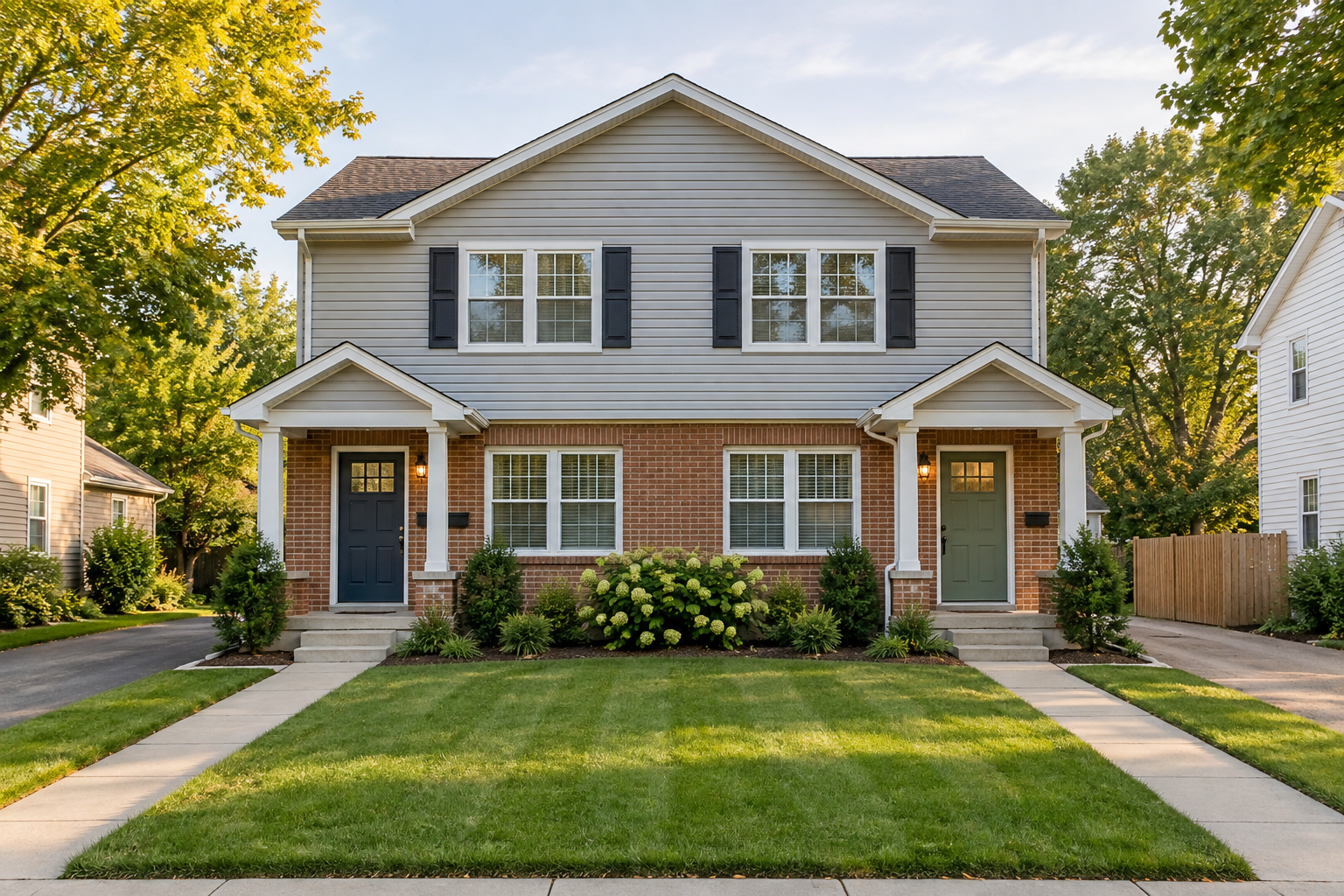
House hacking generally means living in a property while renting part of it to help offset housing costs. Examples can include a room arrangement or occupying one unit in a small multifamily building. The idea is straightforward; the rules, financing and daily responsibilities deserve closer attention. Rental income may help, but it does not make housing free or eliminate ownership risk.
Choose the arrangement before shopping
Sharing a kitchen with a roommate is different from owning separate dwelling units. Decide how much privacy you need, which spaces would be shared and whether the layout supports the arrangement. Consider parking, entrances, storage, laundry and utility billing.
Also think about a change in your own circumstances. If your work schedule, household or location changes, can you continue to operate the property under the loan, insurance and local requirements?
Verify the intended use is allowed
Do not assume a finished basement is an approved apartment or that any spare room can be offered as a short-term rental. Ask the local planning or building authority about the exact address and proposed use. Check applicable occupancy, permits, safety requirements and association rules.
Get the relevant records and required approvals before relying on projected rent. Listing language such as “income potential” does not establish lawful occupancy or show that a conversion was permitted.
If the plan involves alterations, have qualified professionals evaluate the scope. Separate entrances, sleeping areas, electrical work or plumbing may involve requirements that cannot be resolved by a cosmetic remodel.
Discuss house hacking openly with the lender
Describe the property and occupancy plan accurately. Ask how the lender classifies it, whether anticipated rent can be used for qualification and which documentation is required. Program eligibility and down-payment terms depend on the actual borrower, property and loan.
Do not make an offer on the assumption that a quoted minimum down payment applies to every arrangement. Ask about reserves, occupancy obligations and what happens if the property condition or unit configuration does not meet program requirements.
Budget for periods without a paying occupant
- The full loan payment and property ownership costs.
- Insurance suitable for the intended occupancy and rental activity.
- Utilities and any costs you agree to include.
- Maintenance, turnover and larger future replacements.
- Applicable permits, management help, accounting and legal review.
- A reserve for vacancy or delayed collections.
Run the budget with no rental payment for a period appropriate to the situation. Then consider repairs or an insurance deductible arriving at the same time. If the household cannot sustain an interruption, reduce the commitment or revisit the plan.
Treat the rental relationship professionally
Use a written agreement reviewed for the arrangement and applicable law. Address payments, deposits, shared spaces, utilities, maintenance reporting, access, guests and move-out procedures. Clear expectations are especially useful when landlord and renter live in the same building.
Screen and advertise lawfully and consistently. Review HUD’s Fair Housing Act overview and obtain advice on federal, state and local obligations. Do not assume that living on the property automatically removes all housing-law requirements.
Tell the insurer how the home will be used. Ask a tax adviser about allocating personal and rental expenses; the IRS rental property guidance addresses situations involving partial rental use.
Make a property-specific decision
Create a one-page plan with the intended arrangement, verified permissions, financing, insurance, expected income and full costs. Add your personal boundaries: what living arrangement would still feel workable if the income were lower than hoped?
Austin can help evaluate layouts and property options and coordinate questions with the appropriate professionals. The useful question is whether this particular home and arrangement work for you, rather than whether house hacking sounds attractive in a headline.
Frequently asked questions
Can rental income cover the entire mortgage?
It depends on actual rents, occupancy and costs. Do not assume full coverage or treat the mortgage as the only expense.
Can I convert any basement into a rental?
No. Verify zoning, lawful occupancy, building requirements, financing and insurance for that address before planning a conversion.
Related guidance
- How to Evaluate Your First Rental Property
- Self-Managing a Rental vs. Hiring a Property Manager
- Using a HELOC for Home Improvements or an Investment Property
Have a question about a property or your next step? Contact Austin Moore Group or explore the Knowledge Hub.