
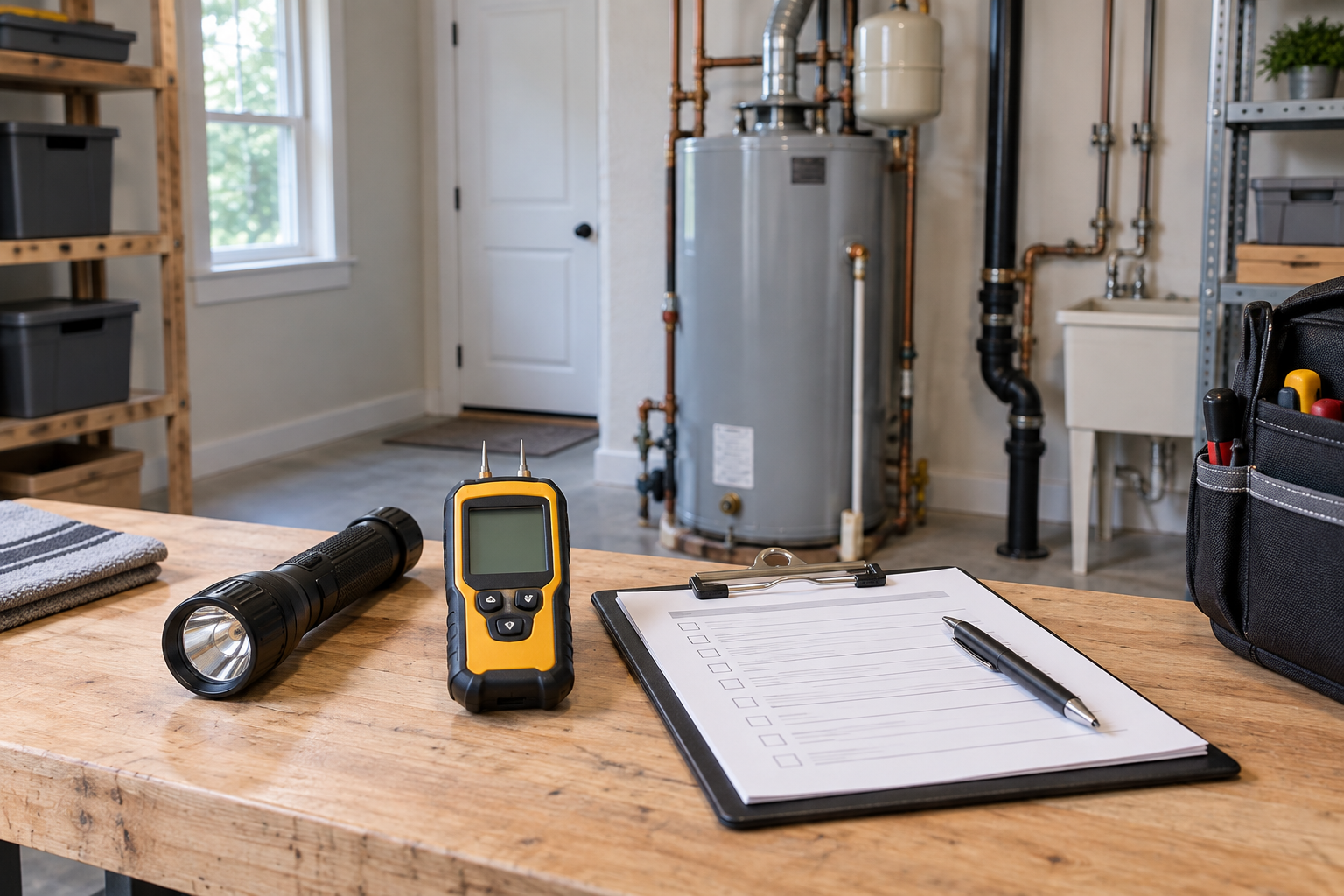
Home inspection when buying a house decisions are easier when you understand the inspector’s role. An independent inspection is a visual evaluation of accessible components and systems at a point in time. It can reveal concerns, explain maintenance needs and help a buyer decide what additional questions to ask.
An inspection is not a guarantee, warranty, code-compliance certification or prediction that nothing will fail. Its scope depends on the inspector, property and agreement. Review the inspection contract before the appointment and ask what is—and is not—included.
Why a home inspection matters
A showing may reveal visible wear, but an inspector brings a systematic process and experience evaluating common building components. The report can identify safety concerns, system defects, signs of moisture, deferred maintenance and conditions that deserve specialist review.
The Consumer Financial Protection Bureau recommends an independent inspection and notes that an inspection is different from an appraisal. The appraisal addresses value for the lending process; the inspection focuses on physical condition within its scope.
What a general inspection commonly reviews
- Roofing and visible exterior components.
- Foundation, grading and accessible structural elements.
- Electrical service and representative fixtures.
- Plumbing supply, drains and visible fixtures.
- Heating and cooling equipment.
- Attic, insulation and ventilation where accessible.
- Interior surfaces, windows, doors and stairs.
- Built-in appliances or other items included in the inspector’s scope.
The exact list varies. Detached structures, pools, fireplaces, septic systems, wells, environmental concerns and specialty equipment may require separate evaluation.
How to choose an inspector
Ask about training, experience, licensing when required, insurance, reporting format and whether the inspector follows a published standard of practice. Request a sample report and confirm that the inspector works for you—not for the seller or another party whose payment depends on closing.
Attend the inspection when possible
Being present can help you understand where systems are located, see concerns in context and distinguish a major issue from an ordinary maintenance item. Let the inspector work, save questions for appropriate moments and avoid operating equipment without permission.
How to read the inspection report
Begin with the report’s scope and limitations. Then group findings by urgency and expertise needed: potential safety concerns, water or structural concerns, major systems near the end of expected service life, repairs, and routine maintenance.
Photos and summary pages are helpful but may not contain every important detail. Read the full report and ask the inspector to clarify unfamiliar language.
When to request a specialist
A general inspector may recommend further evaluation by a qualified roofer, electrician, plumber, HVAC contractor, structural engineer, chimney specialist, pest professional or another expert. That recommendation is not a repair quote or final diagnosis; it is a cue to investigate before the relevant deadline when possible.
Inspection results and the purchase contract
What a buyer can request or decide depends on the contract and deadlines. Options may include accepting the condition, requesting repairs or credits, seeking further evaluation, renegotiating or terminating when the agreement allows. A seller may accept, reject or counter a request.
Keep in mind: Do not assume every item will be repaired. Focus on the conditions that materially affect safety, function, insurability, financing, budget or your willingness to own the property.
A home inspection when buying a house is also an ownership plan
Keep the final report after closing. It can become a practical maintenance list: label shutoffs, service mechanical equipment, correct drainage concerns, plan roof or appliance replacement and schedule routine safety checks.
For help connecting inspection findings with the broader transaction, review the home buying process or visit the homeownership resource hub. Independent inspectors and contractors remain responsible for their own advice and work.
Frequently asked questions
Is a home inspection required?
A general home inspection is often your choice as the buyer, but your contract or loan program may call for other property evaluations. Ask your agent and lender what’s required for your purchase before you decide.
Is an inspection the same as an appraisal?
No. An inspection looks at the home’s condition within the inspector’s scope. An appraisal looks at value for the lending process. They serve different purposes.
What should I do with a long report?
Start by asking the inspector to explain the findings and which ones need a closer look. Bring in specialists when needed, then talk with your agent about your contract options. If you’re unsure where to begin, contact Austin Moore Group and we can help you work through the next step.